
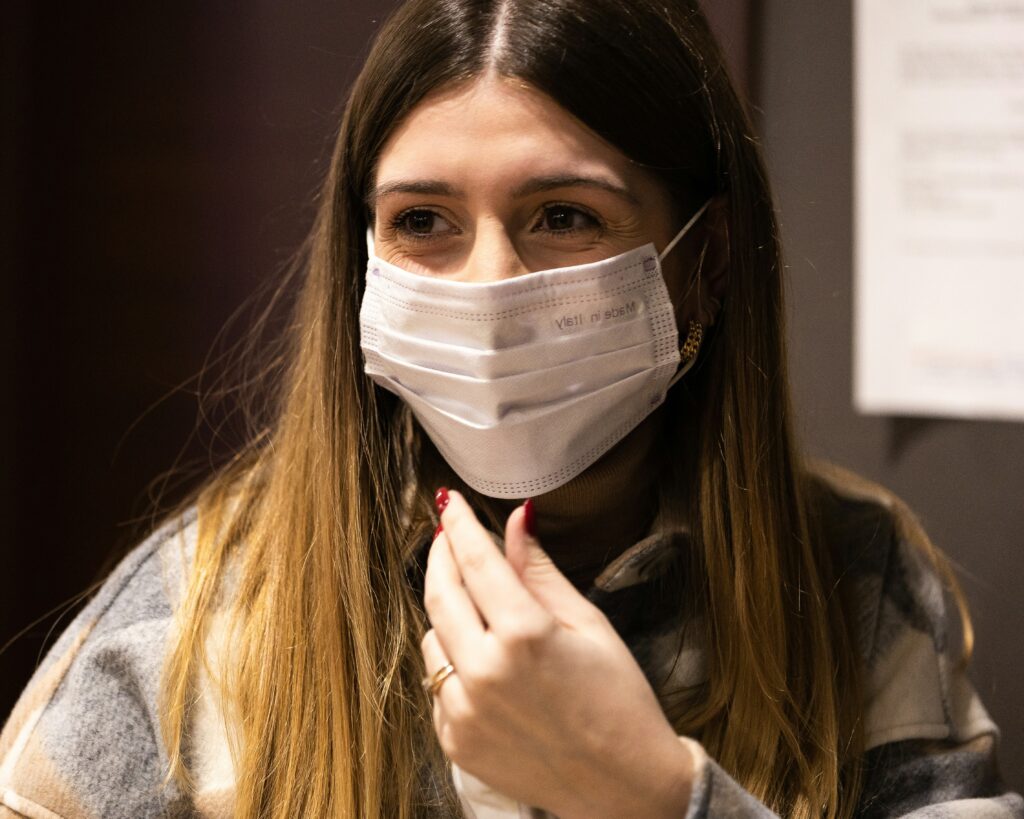
Autumn is here, and with it comes the start of flu season a time when our immune systems are put to the test. If you’re planning a trip abroad, this makes it even more important to protect your health before you fly. Here at the World Travel Clinic we help travellers prepare with the right vaccinations for their journeys.
Here’s what you should know about staying safe and healthy during flu season and beyond.
Flu Symptoms:
- Sudden high temperature
- Aching muscles/body
- Exhaustion and tiredness
- Dry cough
- Sore throat
- Headaches
- Difficulty sleeping
- Little to no appetite
- Diarrhoea and stomach pain
- Feeling sick and being sick
Practice good hygiene tips:
- Wash hands frequently
- Avoid contact with sick people
- Clean surfaces
Vaccines are one of the greatest medical advancements in history, saving millions of lives each year. The MMR vaccine is a shining example of this success:
-
Measles deaths have dropped by 73% globally since widespread vaccination began.
-
Mumps and rubella have been nearly eliminated in countries with high vaccine coverage.
At The World Travel Clinic, we proudly support the use of safe, effective, and scientifically-backed vaccines—including the MMR vaccine—as part of our mission to protect global travellers and their communities.
Managing the Flu
If you are a healthy adult and you get the flu, the chances are you will be simply bedridden for several days until your body naturally deals with the virus itself. If you are at home do your best to rest, stay hydrated, keep warm, and take paracetamol or ibuprofen if the pain or temperature is too much for you to handle.
The flu is easily spread most easily within the first 5 days of infection and the germs spread through coughs and sneezes can live up to surfaces for 24 hours. As a result, it is essential to stay at home until 24 hours after the fever is gone. Once the fever has passed, the body has dealt with the majority of the infection and is coming back to normal functioning. But you are still potentially infectious during this stage. To prevent spreading the flu to potentially vulnerable people, a week off work is recommended, and wait 24 hours until after the fever breaks.
So, if you’re a healthy adult, all being well, a bit of bed rest for a week will be enough to clear the infection and make you well enough to go back to work.
Who is at risk?
As the flu is a viral infection that affects the entire body, it can be a little more dangerous than it first appears, though this danger often affects people who are already vulnerable. In general, the three main groups of people at risk from the flu are:
Those with chronic health conditions such as asthma, chronic kidney disease, cancer , already have compromised immune systems and so the flu can hit them harder and knock out more of their vital systems as it does so. During pregnancy a woman’s immune system changes naturally, so do the heart and lungs and so they become more susceptible to dangerous complications arising from the flu.
But what if symptoms are more serious, should you go see a GP?
- Difficulty Breathing and/or Chest Pain: Coughing is normal, so is a bit of mucus being produced, but wheezing, chest pain or shortness of breath are all indications of a deeper infection such as pneumonia or bronchitis and will need to be seen to by a doctor.
- A Persistent Fever: If your fever is particularly high or does not break after a few days there could be other complications taking place and you should see a doctor
- Severe vomiting or diarrhoea: Vomiting and diarrhoea can be normal for the flu, but if it is more than once or twice a day and excessive, it could become dangerous as you can become quickly dehydrated.
- Symptoms last more than 7 days: If your symptoms persist for more than seven days it can indicate other problems and that your body is struggling to cope with the virus and so it may be time to see a doctor
So, whilst we can’t cure the flu when we have it, we can prevent ourselves from catching strong cases of the flu with a Flu Vaccine.
Flu vaccines have been in use for many years now and have been shown in their efficacy for just as long. Vaccines can’t stop us from getting a disease, but they teach our bodies how to defeat the disease before it ever really takes a hold of us. So, by ensuring you get your flu vaccine you can be safe knowing that if you do come into contact with the flu virus, its effect on you will be minimised, if not completely non existent.
Flu Vaccines are available to everyone over 50 and those with chronic health conditions that place them at risk of the flu.
At the World Travel Clinic we have the Flu vaccination available. Book a consultation with us today and we can get you protected from carrying and spreading the Flu.
Sources: