
If you’re planning a trip to warmer destinations, you may have heard about chikungunya – a mosquito-borne virus that has been making headlines in recent years. While the name might sound unusual, the illness is one travellers should be aware of, especially when visiting parts of Africa, Asia, the Caribbean, and South America.
What is Chikungunya?
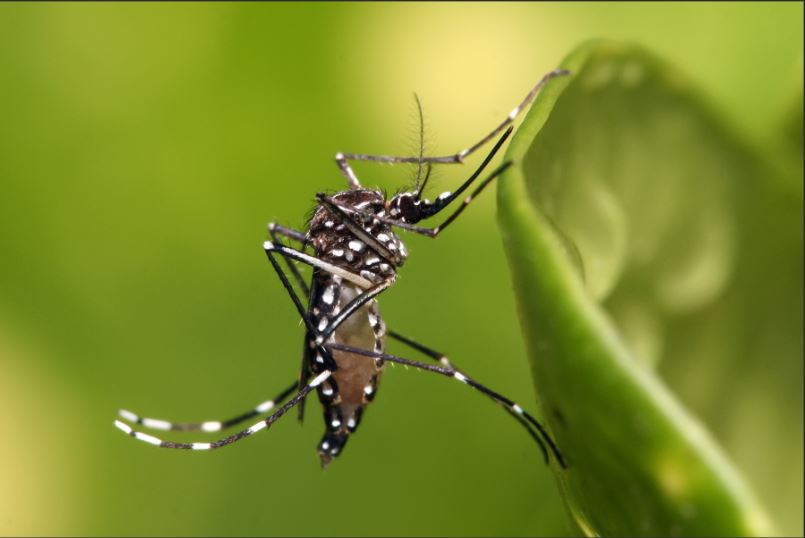
Chikungunya is a viral disease spread by the bite of infected Aedes mosquitoes – the same type that carries dengue and Zika. The illness is rarely life-threatening, but it can be extremely unpleasant. Symptoms usually appear between four and eight days after a mosquito bite and include:
-
Sudden high fever
-
Severe joint pain (often in the hands, feet, ankles, or wrists)
-
Headaches
-
Muscle aches
-
Rash
The joint pain can be so intense that the word chikungunya itself is thought to come from an African language meaning “that which bends up,” referring to the stooped posture of sufferers. While most people recover in a week or so, joint pain can sometimes linger for weeks or even months.
Where is it Found?
Chikungunya is now widespread across tropical and subtropical regions. Outbreaks have been reported in:
-
Africa (especially East and West Africa)
-
Asia (including India, Thailand, and Indonesia)
-
The Caribbean (such as Jamaica and the Dominican Republic)
-
Central and South America
With increasing global travel and climate change expanding mosquito habitats, chikungunya is appearing in new areas. Even parts of Europe, such as Italy and France, have recorded small outbreaks in recent years.
How Can Travellers Protect Themselves?
The best way to avoid chikungunya is to prevent mosquito bites. This means:
-
Using insect repellent containing DEET, picaridin, or lemon eucalyptus oil
-
Wearing long sleeves and trousers, especially during the day when Aedes mosquitoes bite most
-
Sleeping under treated mosquito nets if staying in rural or high-risk areas
-
Staying in accommodation with screened windows or air conditioning
However, bite-prevention measures alone are not always enough – mosquitoes are persistent, and even a few bites can be enough to cause infection.
The Chikungunya Vaccine
The good news for travellers is that a vaccine against chikungunya has recently become available. It offers protection against the virus, reducing the risk of infection and the potentially long-lasting effects of the illness.
At our travel clinic, we recommend the vaccine for:
-
Travellers visiting areas with known outbreaks
-
People staying for extended periods in rural or high-risk regions
-
Anyone who may be more vulnerable to complications, such as older adults or those with pre-existing joint conditions
Like all vaccines, it’s not only about protecting yourself – it also helps reduce the spread of the virus to others.
Final Thoughts
Chikungunya is not a condition to take lightly. While it doesn’t often cause severe or fatal illness, the high fever and debilitating joint pain can turn a holiday or work trip into a very difficult experience.
If you’re planning to travel to an at-risk area, speak to our travel health team about the chikungunya vaccine. It’s a simple step that can give you peace of mind – so you can focus on enjoying your trip rather than worrying about mosquito bites.